Decommissioning

Despite a 2.8% drop in liquefied natural gas exports in 2025 because of lost market share in China, Australia anticipates a 2026 rebound as new North West Shelf capacity comes online. Meanwhile, East Coast operators brace for a tsunami of wells entering the decommissioning pipeline and potential energy shortfalls necessitating LNG imports.

The North Sea Transition Authority has published its first table identifying 13 operators that are behind schedule in decommissioning their inactive North Sea wells.

Estimates commissioned by the Australian government suggest that increasing efficiency will lower costs for decommissioning offshore Australia.
-
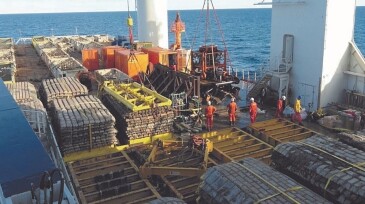
 A decommissioning project carried out by DOF Subsea on behalf of Repsol Sinopec Resources UK in the Central North Sea has achieved a 99% rate for the combined recycling and repurposing of recovered materials.
 -
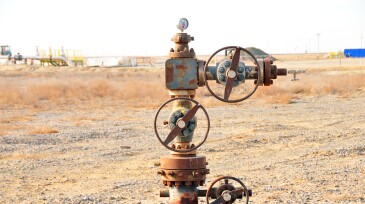
The DOI guidance explains how states can apply for the first $775 million in grant funding available this year under the Bipartisan Infrastructure Law to create jobs cleaning up polluted and unsafe orphaned oil and gas wellsites across the country.
-
Helix Energy Solutions will start work on a five-well complete abandonment project in the offshore Tui field in late 2022.
-
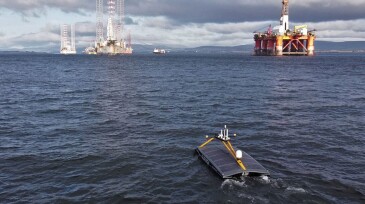
The survey was part of a project led by the University of Aberdeen, looking at the effects of decommissioning oil and gas structures on marine ecosystems.
-
The UK’s Net Zero Technology Centre looks to pave the way for new well P&A technologies to be tested, trialed, and brought to market quickly.
-
Decommissioning decision makers often need to determine the best and most practicable options for pipelines, flowlines, and power cables, including leave-in-place strategies or removal. This study presents results from several evaluations using advanced methods to support the determination of options.
-
These four technical papers provide an overview of how facility decommissioning is addressed these days, including a case study in east Asia and a discussion of what to do with pipelines, flowlines, and umbilicals to preserve the environment—should they stay, or should they go?
-
This paper reviews the existing planning process for decommissioning projects on the UK Continental Shelf and explores an alternative approach using the facility removal date instead of the cessation of production date.
-
This paper discusses various best practice technical strategies for decommissioning which can be applied in the Southeast Asia region, and throughout the world. The strategies proposed can result in an estimated operator saving of more than 30% over the entire decommissioning execution expenditure. The processes discussed are included in the typical steps of prelimina…
-
When done well, planning for closure serves as a foundation for sustained socioeconomic well-being, beneficial reuse of project assets, and accountable decision-making. This ultimately contributes to an operator’s social license.