Drilling

Research by Enervus sees early 2026 permitting activity for the carbon capture and storage wells pointing to a growing approval queue, even while the rate of applications eases.

The new guidelines were released prior to reports that enhanced geothermal developer Fervo Energy experienced a blowout in Utah with no reported injuries.

BP said it expects to keep the Azeri-Chirag-Gunashli (ACG) project in production into the 2040s by tapping into separate nonassociated gas reservoirs.
-
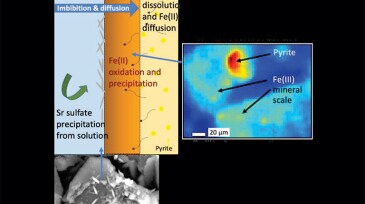
 The obsession with better hydraulic fracturing has steadily pushed on shale production in year one, but the decline remains steep. Chemistry could help explain, and perhaps extend, the short productive life of these wells.
 -
ADNOC will purchase eight FlexRigs while H&P invests in ADNOC Drilling’s planned public offering.
-
SponsoredExtended reach wells provide access to otherwise inaccessible areas, improve production and reduce footprint. Advancements in completion technology allow producers to eliminate coiled tubing, perforation guns and milling out operations to lower project risks, costs, and environmental impact.
-
In a natural pivot from oil and gas E&P, former oilfield executives are taking up the hunt for helium. Helium is used in a wide variety of products, such as rocket ships and computer chips, and, while there is still plenty left to find on Earth, finding quality commercial quantities can be a difficult task and reserves are running low.
-
SponsoredBefore you pump materials down your well, be sure you fully understand the effectiveness of your friction reducers and gas migration slurries.
-
The impact of orphan wells, both on the environment and on tightening budgets, is a growing concern in the industry. Boom times result in a vast uptick in wells drilled. In bust times, when companies disappear, the liability outlook for these probes gets murky and federal and state governments start looking for answers.
-
Extended-reach drilling is becoming more of a mainstream technology as the industry seeks to squeeze difficult reserves and reduce the footprint of projects in fragile environments.
-
Cube drilling was an exciting idea several years ago. Since then, the luster seems to have faded. Now, production software company Novi Labs says machine learning may bring life back to the concept.
-
The deal adds 16 super-spec land rigs to Patterson UTI’s domestic fleet and will result in the sale of Pioneer’s well service business.
-
The authors of this paper propose a new chemical treatment for efficient remediation of water- or hydrocarbon-phase-trapping damage in low-permeability porous media.