Onshore/Offshore Facilities

Despite significant progress in capturing associated gas for domestic use, Iraq remains the world’s third-largest gas-flaring country as it aims for higher oil and gas production targets.

The 2026 Upstream Scale Guidelines establish a common workflow for field measurements, scale modeling, and risk assessment to support more consistent operational decisions.

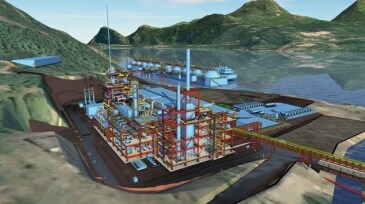
Shell has reached FID on LNG Canada Phase 2, a major expansion that will double the Kitimat facility’s LNG export capacity to 28 mtpa and strengthen long-term supply to growing Asian markets.
-
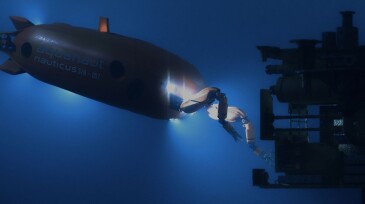
 Trials of the robotics company’s Hydronaut and Aquanaut system are expected in the third quarter of 2022 after the companies conducted a successful feasibility study.
 -
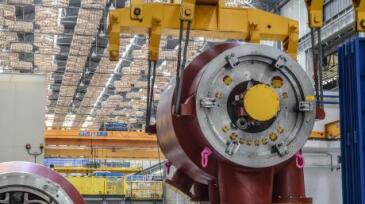
Baker Hughes has acquired the power generation division of the UK’s BRUSH group to grow its turbomachinery portfolio and decarbonization solutions capabilities.
-
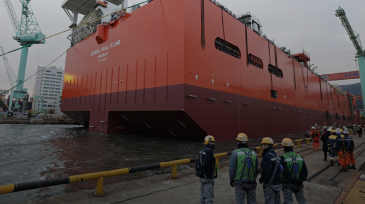
Eni has proposed that its partners in the Rovuma LNG project construct a second floating liquefied natural gas processing facility to circumvent political risks that have disrupted ExxonMobil from building an onshore megaplant.
-
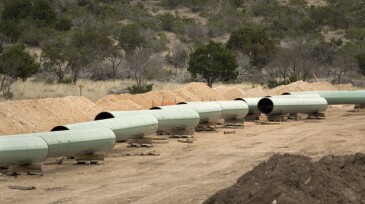
A fresh batch of expansions and a new pipeline are set to provide operators offtake options.
-
Many hurdles for marinization of green hydrogen production already have been overcome in the offshore oil and wind sectors. A fresh set of challenges, however, will rise around developing and deploying hydrogen production facilities offshore.
-
The Russian gas company announced that it will use locally source unmanned aerial vehicles to inspect its facilities and pipelines in the Yurkharovskoye field.
-
New liquefaction facility planned for Squamish, British Columbia, is expected online in 2027.
-
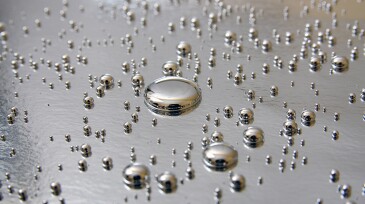
The paper provides an approach to mitigating the adverse effects of mercury found in production fields, including treatment-facility requirements and suitable technologies for production fields and onshore facilities.
-
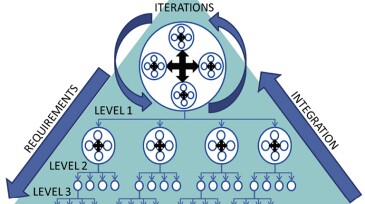
The paper describes a systems-engineering-guidance document currently being developed, and outlines the benefits associated with the use of formal systems-engineering processes when designing complex facilities.
-
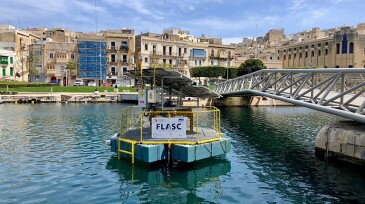
The partnership of Subsea 7 and Flasc has a plan to use out-of-service pipelines as pressure vessels in a hydro-pneumatic energy storage concept.