Onshore/Offshore Facilities
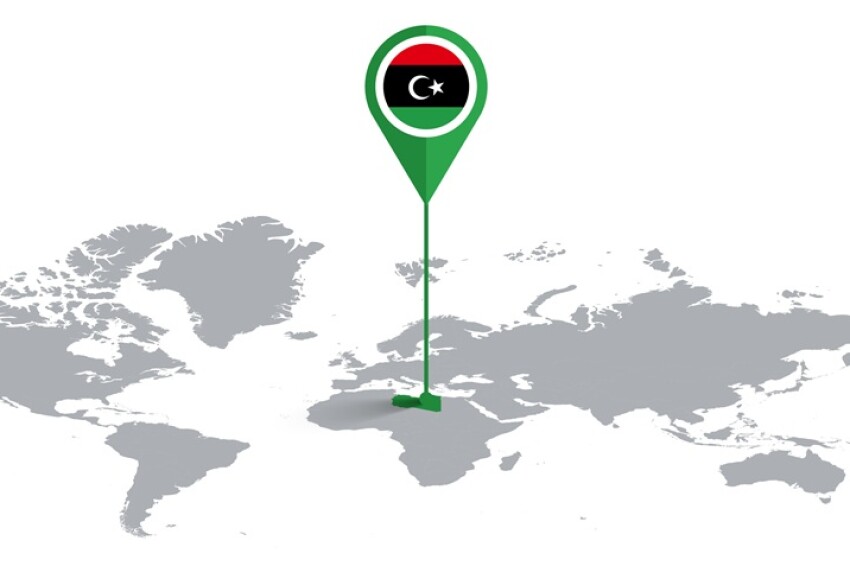
Sulzer and JSIL are teaming up to provide the service for oil and gas, power generation, and industrial operations.

The deal includes Waygate’s inspection portfolios and is expected to close later this year.

While Uzbekistan has seen a significant drop in flaring, methane leaks from deteriorating infrastructure continue to reveal themselves to satellites in space.
-
 Subsea tieback of a new field to an existing offshore production facility is one option to minimize development costs.
 -
Lessons learned in debottlenecking a “dirty” triethylene glycol contactor at the ExxonMobil Upstream Research Company’s LaBarge Black Canyon Facility in Wyoming highlight the results of work performed between 2001 and 2004.
-
This paper describes a new direct electrical heating method in flexible-pipe systems. The method effectively expands the operational envelope of flexible unbonded pipes with greater control of hydrate plugs and wax precipitation by distributed heating along the entire pipe length,
-
Medium-voltage electric heating systems offer reduced installation cost and increasing efficiency for multimegawatt oil and gas heating applications compared with low-voltage systems. For offshore applications, the systems offer the added benefit of both space and weight reductions.
-
Thermoplastic composite pipe (TCP) is a spoolable, fully bonded pipe with glass or carbon-fiber reinforcements. While most often used in deep water, the combination of a solid wall, spoolability, and corrosion resistance makes TCP attractive for production-flowlines in shallow water also.
-
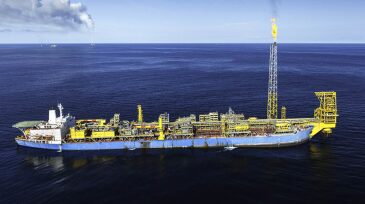
This paper presents the development of Sapinhoá field, covering the fast-track transition and decision-making process, from appraisal to conceptual and basic engineering of the Sapinhoá pilot project and on to its subsequent execution, highlighting the challenges, lessons learned, and results.
-
In this eighth articles of the series, level settings and control in gravity separators are addressed.
-
Optimization of maintenance costs is among operators’ main concerns in the search for operational efficiency, safety, and asset availability. The ability to predict critical failures emerges as a key factor, especially when reducing logistics costs is mandatory.
-
A presentation from the 2016 Gulf of Mexico Deepwater Technical Symposium examines a testing strategy to determine the effectiveness of paraffin inhibitors.
-
Subsea processing is an evolving technology in ultradeepwater development and has the potential to unlock a significant amount of hydrocarbon resources. In this paper, the authors have reviewed the application of subsea systems in 12 deepwater fields and discussed the significance of each.