Processing systems/design

The new technology, recently highlighted at OTC, has received a statement of maturity from ABS.

War‑related infrastructure damage is beginning to influence global energy supply chains in ways that could reshape project development and capacity growth.

This paper describes the operator’s initiative to reduce greenhouse-gas emissions and recover additional hydrocarbon, monetizing it as sales gas, by integrating upstream and downstream gas facilities in a unified approach.
-
 The Savvy Separator series continues as we share case studies of troubleshooting separator problems. This article focuses on instrumentation and operating issues. Brief problem statements, root causes, and lessons learned are given.
 -
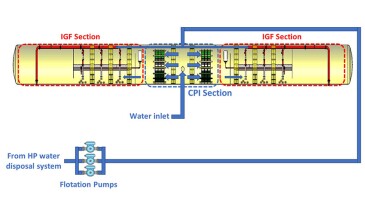
The retrofit merged enhanced gravity separation with induced gas flotation within the same vessel. Detailed insights into the design, operation, and performance of hybrid flotation systems are provided, offering valuable guidance for similar initiatives in the petroleum industry.
-
The Savvy Separator series continues as we share case studies of troubleshooting separator problems. This article focuses on installation issues. Brief problem statements, root causes, and lessons learned are given.
-
The Savvy Separator series continues as we share case studies of troubleshooting separator problems. This article focuses on design issues. Brief problem statements, root causes, and lessons learned are given.
-
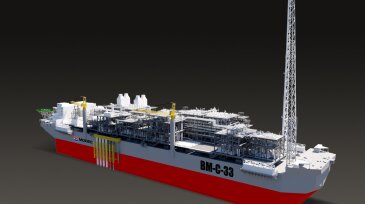
At the 2024 Offshore Technology Conference, industry giants like ExxonMobil, Equinor, and Petrobras offered a look at the future of low-carbon floating production, storage, and offloading units.
-
SponsoredThe oil and gas industry makes up 40% of all anthropogenic methane emissions because of leaks at the wellsite. Fortunately, the well pad is often where methane emissions are easiest to address through a mitigation strategy of optimized maintenance and process control—all enabled by instrumentation insight.
-
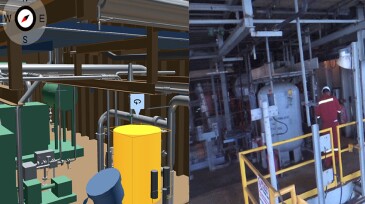
This paper described the use of digital twin technology to identify design modifications required at an onshore site and visualize proposed offshore assets for a Trinidad and Tobago development.
-
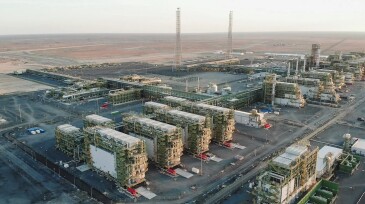
The $48.5-billion investment aims to keep the 30-year-old project in western Kazakhstan flowing for years to come.
-
Samsung E&A takes home $6 billion of the total amount as EPC contractor.
-
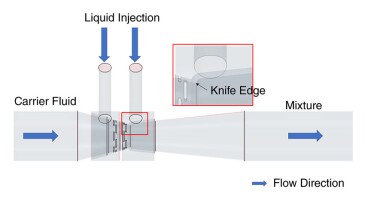
This article focuses on the use of an annular injection mixer in vaporizing heavy hydrocarbon fractions into natural gas streams and the evaluation of evaporation performance by computational fluid dynamics.