Reservoir characterization

This paper presents a case study from a mature field redevelopment project where pulsed neutron logging was integrated with advanced reservoir modeling to improve the understanding of fluid-contact dynamics and optimize new horizontal well placement.

This paper aims to showcase examples of how integrated analysis of surveillance data in the Azeri-Chirag-Gunashli field has improved reservoir understanding and informed reservoir-management decisions.

This work applies fuzzy logic, a well-established artificial-intelligence technique, to quantitatively assess connectivity between injectors and producers in a giant presalt field in the Santos Basin of Brazil.
-
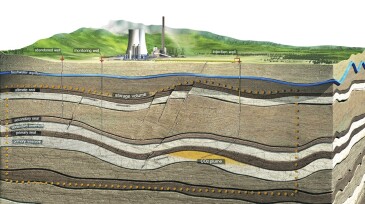
 SponsoredImprove decision making and reduce the uncertainty of CCS projects with accurate, detailed subsurface insights that help you estimate storage capacity, run play chance mapping, improve your injection strategy, and simulate carbon plumes over time.
 -
The paper demonstrates the ability of deep-learning generative models to enable new shale-characterization methods.
-
A new dose of constraint may just be the best prescription for those making reserves estimates on prospective unconventional resources.
-
The utility of mud gas data so far has been limited to fluid typing, formation evaluation, and interwell geological and petrophysical correlation. The ongoing digital transformation has presented the opportunity to increase the utility of, and get more value from, the abundant and rich mud gas data. This article raises the question of whether getting more from mud gas…
-
Traditionally, wireline or logging-while-drilling formation-testing technology has been the most accepted means of reservoir fluid characterization. But when those fluids are contaminated by mud filtrate, acoustic data can be used for fluid characterization during downhole sampling to successfully track and quantify small changes in oil compressibility.
-
A fast-moving pressure pulse is the priority of a research and development initiative that, if successful, will result in a new diagnostic technology for horizontal wells in tight reservoirs.
-
Petrolern has received a $1.15-million grant from the US Department of Energy to develop and commercialize its technology that models in-situ stresses by using available data.
-
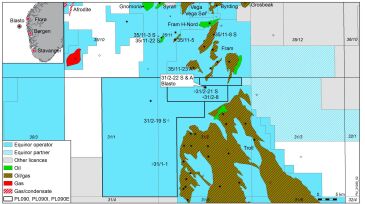
The Norwegian Petroleum Directorate and Equinor have announced the biggest discovery so far this year on the Norwegian Continental Shelf. Three wildcat wells drilled in the Blasto prospect near the Fram field confirmed the find and were then permanently plugged and abandoned.
-
Algorithms are taking over the world, or so we are led to believe, given their growing pervasiveness in multiple fields of human endeavor such as consumer marketing, finance, design and manufacturing, health care, politics, and sports. The focus of this article is to examine where things stand in regard to the application of these techniques for managing subsurface en…
-
Deciding whether to develop a new discovery is often about the data. Without the correct understanding of the fluids in the reservoir, projects are unlikely to turn out as planned.