Risk management

Sponsored
Effective data analysis depends on seeing connections that matter. Explore how Spotfire enables a more intuitive approach to understanding petroleum data.

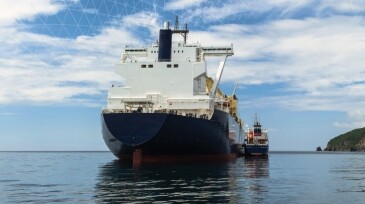
After a record year for LNG project approvals in 2025, multiyear repairs to war-damaged liquefaction facilities in Qatar and the UAE threaten to slow the growth of global LNG capacity.
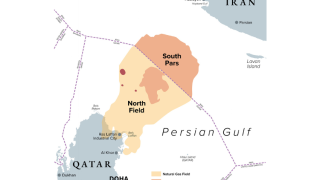
Barzan plant explosion that killed 13 and injured 66 occurred 2 days after production was restarted following a scheduled shutdown in December for routine maintenance.
-
 The event on 14 January in Houston will bring together leading economists and industry leaders and will debut the North American edition of Energython, “Molecule to Megabyte,” a business case challenge for students focused on gas-to-data-center solutions.
 -
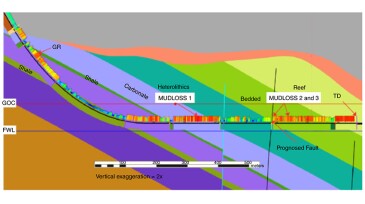
This paper discusses cases from the North Sea and offshore California in which high-fidelity pressure and dynamics measurements, combined with high-speed telemetry, helped overcome complex geotechnical challenges.
-
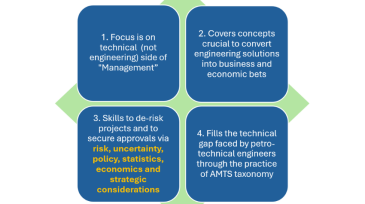
The SPE Asset Management Technical Section (AMTS) is teaming up with the University of Houston to launch a pilot program that advances asset management practices and supports the growth of energy professionals worldwide—setting a model for future collaborations between universities and SPE technical sections.
-
The SPE Management Technical Section has been officially renamed the Asset Management Technical Section. The new name better reflects the section’s focus on asset management as a core discipline in the upstream oil and gas industry.
-
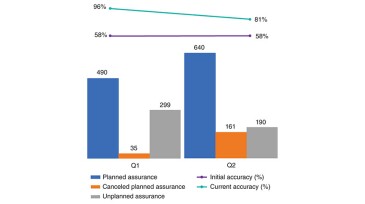
This paper describes a tool that complements predictive analytics by evaluating top health, safety, and environment risks and recommends risk-management-based assurance intervention.
-
Technical safety standards are essential as global offshore exploration heats up.
-
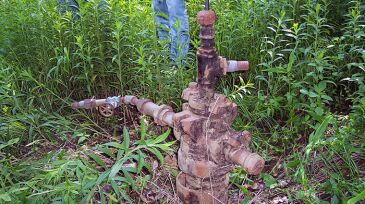
The Ohio River Valley Institute finds operator indifference, regulatory noncompliance as chief factors in state's growing number of deserted wells.
-
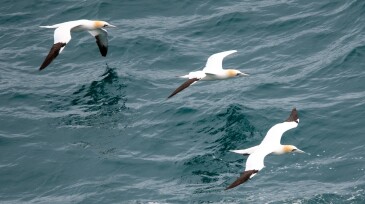
Buoy-based camera footage, analyzed by artificial intelligence, can help reduce the risk of birds colliding with offshore wind farm turbines.
-
EVP Giulia Chierchia and Chairman Helge Lund are stepping down amidst difficult Q1.
-
The EIA issued a new forecast for US oil production as a result of US President Donald Trump’s recently announced tariffs.