

Monthly Features
-
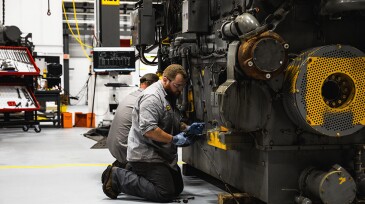
 This case study describes how edge computing and industrial internet of things platforms were deployed to automate and optimize production operations across four distinct basins.
 -
 This case study presents a procedure in which the operator compared production from wells with adjusted wettability to a control group, finding that the adjustments resulted in significant improvements in production and reductions in produced water.
 -
 As equipment advances to handle extreme pressures and temperatures, new Gulf opportunities are emerging—alongside increasing operator demands for standardized, scalable, faster, and more affordable solutions.
 -
 Ultradeepwater prospects along the northern coast of Brazil could help offset decline in legacy basins, though permitting hurdles remain a wild card.
 -
 The US federal government is working to stymie offshore wind power, but proponents aren’t going quietly. Armed with data, they are taking on a sea of misinformation and hostility to defend the burgeoning resource in the US, while the rest of the world moves ahead briskly.
 -
 New insights from Chevron, Occidental Petroleum, and others at the SPE Improved Oil Recovery Conference highlight the different paths companies are using to squeeze more out of tight rocks.
-
 One hydraulic fracturing job can stimulate two wells, but economic success hinges on doing it in the right place for the right price.
 -
Each year during its Annual Technical Conference and Exhibition (ATCE), SPE honors members whose outstanding contributions to SPE and the petroleum industry merit special distinction. Recipients will be recognized at the Annual Awards Banquet on Tuesday, 24 September.
-
To choose the right technologies for a gas-compression package, it’s critical for operators to have a clear understanding of their business and greenhouse‑gas emissions-related goals. Operators also need clarity concerning the impact of evolving requirements on total cost of ownership as well as potential financial ramifications.
-
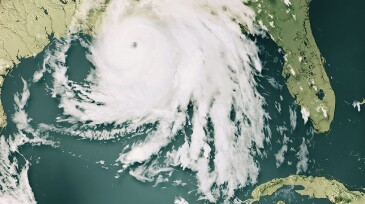
Hurricane prognosticators continue to believe the 2024 Atlantic storm season will be more active than normal, even after a somewhat slow start. In any case, the oil field is ready.
-
The energy industry faces a shortage of skilled professionals, and high salaries aren’t enough to attract new talent. We need to show how careers in this field offer meaning and stability, with transferable skills across energy sectors.
-
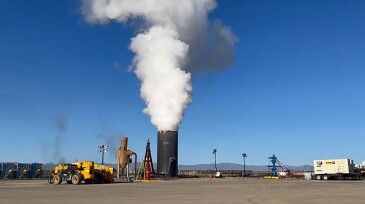
Fervo Energy proved fracturing can harvest geothermal energy and is now rapidly learning to build a utility-scale power plant.
-
Since the late 1930s, the offshore industry has advanced from the first platform in 14 ft of water to the ultradeepwater 20K era. Driven by seismic, drilling, and development breakthroughs, the industry has pushed into deeper waters, high-pressure reservoirs, and new frontiers like Guyana, continually expanding the limits of offshore exploration.
-
Geo2Watts is transforming abandoned oil and gas wells into renewable energy assets using solar power and sand. In this exclusive Q&A, co-founders Phil Cruver, Bill Bartling, and Ken Murray share their vision and the innovative technology behind their “borehole battery.”
-
The KRI has become a significant player in the oil and gas industry. The authors use production data from key fields to explore the factors influencing both individual fields and overall production. An overview of the challenges and milestones in the region’s oil and gas sector from 2014 to 2023 enhances understanding of its evolution, current status, and future oppor…
-
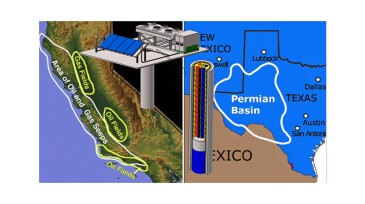
The Earth has huge capacity to store carbon dioxide emitted from energy production. This article discusses the technology of carbon capture, utilization, and storage (CCUS) and its challenges.




Explore Content by Discipline
Power Up With JPT Newsletters
JPT Newsletter (Weekly).
All the top stories, trends, and tech.
JPT Unconventional Insights (Monthly).
Fresh takes on shale and tight oil.
Get JPT articles in your LinkedIn feed and stay current with oil and gas news and technology.