Data & Analytics
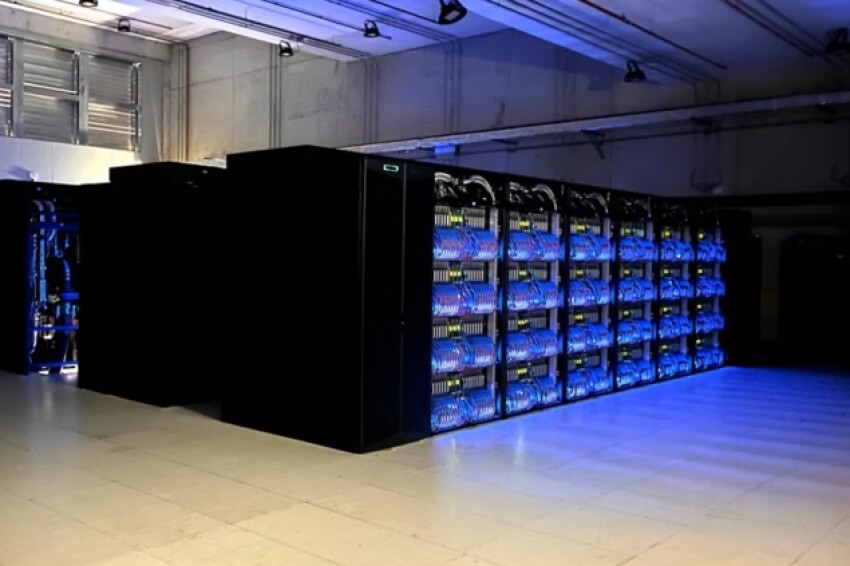
With the latest addition, the Italian major’s computational capacity passes the exaflop threshold, making the firm the world’s leading company by computing power in the new TOP500 global ranking.

This work describes a study in which distributed data parallel training, paired with a node-local caching pipeline, enabled efficient multigraphics-processing-unit scaling for a CO₂-storage graph-neural-network surrogate while maintaining generalization.

This paper presents a novel reservoir engineering/reservoir simulation approach—a data-driven interwell-connectivity model augmented as a digital twin—to predict reservoir dynamics and optimize operations in the Changqing oil field of China.
-
 SponsoredEach well drilled, stimulated, and completed represents a significant investment in time, resources, and expenses. From artificial lift system design to maintenance scheduling, maximize your investment by ensuring optimal flow and production throughout the life cycle.
 -
The company revealed programs for managing production and industrial asset performance. It also announced a collaboration aimed at enhancing rig visualization.
-
SPE Data Science and Engineering Analytics Technical Director Silviu Livescu and SPE Reservoir Technical Director Rodolfo Camacho address some of the challenges in the application of data analytics, artificial intelligence, and machine learning to several reservoir engineering problems.
-
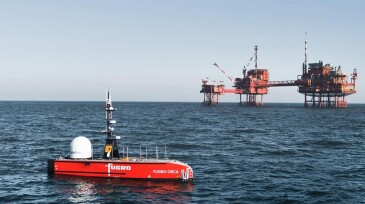
The company used an uncrewed surface vessel and an electric remotely operated vehicle to conduct a survey for TAQA in the North Sea.
-
The use of artificial intelligence in the clean energy sector increases the availability and accessibility of clean energy, making it a more viable and cost-effective alternative to traditional energy sources.
-
This paper introduces a measurement system that is agile for transport and can be installed anywhere with a small footprint while delivering reasonably accurate results.
-
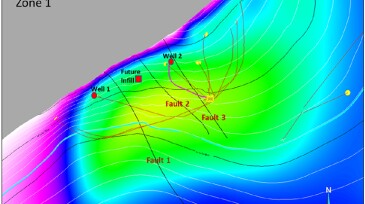
This paper describes how a surveillance, analysis, and optimization plan was used to resolve subsurface uncertainties and optimize a reservoir development plan and provides lessons learned and best practices.
-
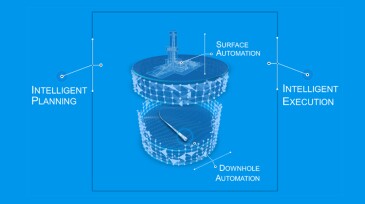
The authors of this paper present an autonomous directional-drilling framework built on intelligent planning and execution capabilities and supported by surface and downhole automation technologies.
-
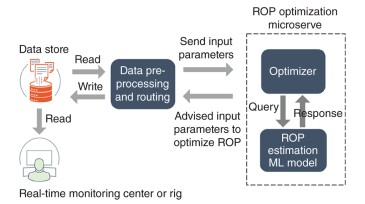
The authors of this paper discuss a global rate-of-penetration machine-learning model with the potential to eliminate learning curves and reduce time and costs associated with developing a new model for every field.
-
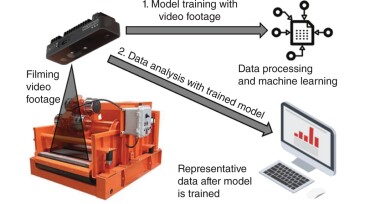
The authors of this paper describe a project that demonstrated the feasibility of using deep-learning and machine-learning approaches to introduce camera-based solids monitoring to the drilling industry.