Directional/complex wells
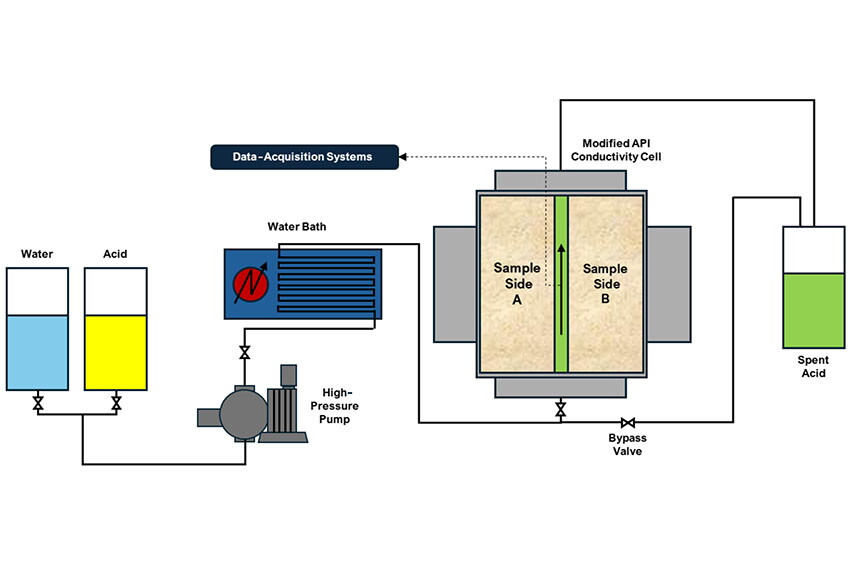
This paper presents findings reinforcing the argument that acid fracturing is a strong alternative stimulation method to improve productivity in the Austin Chalk formation.

This paper aims to assess the effectiveness of using advanced integrated production-data-analysis techniques for condensate-rich tight gas fields.

This paper presents a case study of a tool-free fishbone fracture stimulation technology using sand jetting and acidizing in openhole wells, providing a technical solution for low-permeability and complex-lithology carbonate reservoirs in the Middle East.
-
 The service giant shares how its new technology can sense rock properties 50 ft ahead of the bit in horizontal wells.
 -
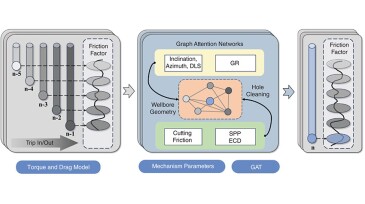
This paper describes the development of a method of predicting drillstring-friction coefficient during tripping operations that can be used for early warning of stuck pipe.
-
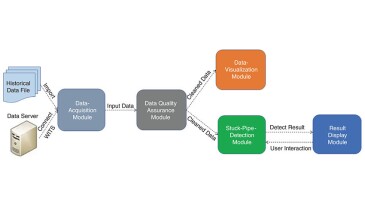
This paper proposes a time-series analysis approach to build a reliable, easy-to-use tool to automatically detect stuck pipe accurately and early.
-
This paper investigates condensate-banking effects on well performance by conducting field-modeling studies on Delaware Basin deep Wolfcamp condensate producers using compositional simulation models with hydraulic fractures.
-
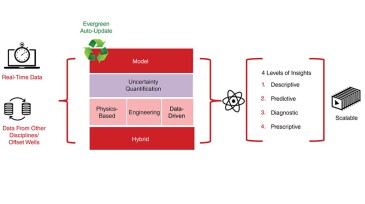
This paper presents a novel methodology that merges principles of physics, data science, and uncertainty modeling to offer more-resilient and -precise solutions for managing real-time pipe-sticking occurrences
-
SponsoredAltitude Energy Partners optimized drilling efficiency by minimizing dysfunctions and protecting downhole components. Their directional drilling team ensured consistent curves and laterals through precise BHA design, modeling, and trajectory control—reducing nonproductive time and drilling costs, and achieving a 100% improvement in efficiency by pad completion.
-
This paper highlights nontraditional methods to cure oil-based-mud losses in horizontal wells drilled in unconventional plays.
-
The authors of this paper write that the use of high-angle wells through anisotropic shale formations represents a promising approach to improving oil recovery while reducing the overall number of wells required.
-
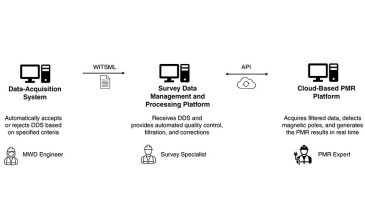
This paper presents a continuous passive magnetic ranging technique that can provide real-time distance and direction to the offset well while drilling without interrupting drilling operations.
-
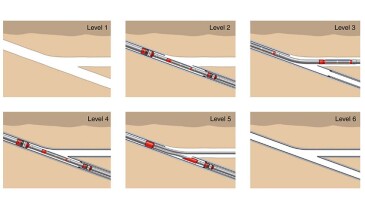
This paper highlights the continuous improvement of multilateral technology used in the Middle East by demonstrating how the application of a multilateral well strategy is a proven and reliable method to reduce time-intensive operations.