Inspection/maintenance

This paper introduces in-pipe inspection technologies enabling high-resolution digital measurements of tubular internal diameter and wall thickness for critical downhole applications.
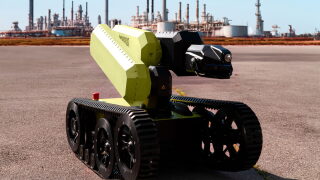
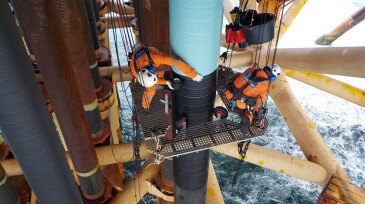
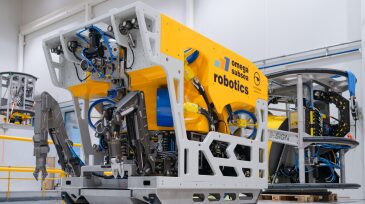
The deployment of a new heavy-duty robotic system aims to reduce workforce exposure to high-risk areas while improving detection of potential leaks.

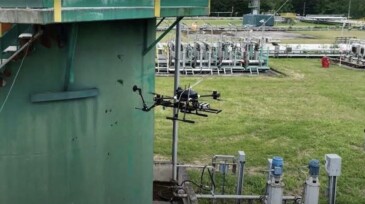
This paper explores the transformative effect of unmanned aerial systems on operational efficiency, safety, and emergency response within the Khurais oil fields in Saudi Arabia. By integrating sophisticated drone technology, improvements have been achieved in routine inspections, leak detection, and emergency scenarios.
-
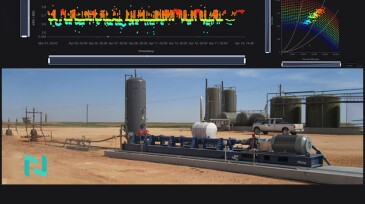
 This article presents a results-driven case study from an ongoing collaboration between a midstream oil and gas company and Neuralix Inc.
 -
Successful in other applications, self-healing coatings could be the oil industry’s ticket to fighting corrosion and extending the life of steel.
-
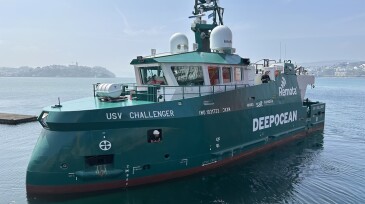
The USV Challenger will be remotely controlled from shore and will be equipped with multiple autonomous features.
-
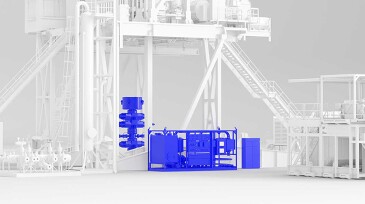
SLB is introducing a new electric well-control system to replace larger conventional, fluid‑controlled hydraulic equipment.
-
This paper describes the operator’s digital-twin end-to-end production system deployed for model-based surveillance and optimization.
-
Terra Drone will support Aramco's operations and Saudi Arabia's technological and economic progress.
-
A robotic arm, camera system, and virtual reality helped EniProgetti and University of Naples researchers overcome the major challenges of direct-contact nondestructive testing using a drone.
-
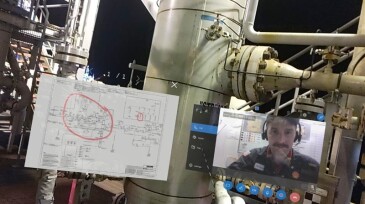
Shell’s combination of digital worker technologies enables collaborative troubleshooting and inspections while reducing travel and boosting efficiency.
-
The Louisiana contractor is buying Kystdesign for an undisclosed sum, expanding its underwater vehicle business.
-
This study examines the implementation of a predictive maintenance method using artificial intelligence and machine learning for offshore rotating production-critical equipment. Conducted over 2 years at Murphy Oil’s deepwater platforms in the Gulf of Mexico, the project aimed to detect equipment issues early, reduce downtime, and streamline maintenance processes.