R&D/innovation

The London-based supermajor is stepping back from startup investing as it seeks to focus capital on its oil and gas business.
The events will be co-located 3–5 May 2027 at Reliant Park in Houston, Texas.
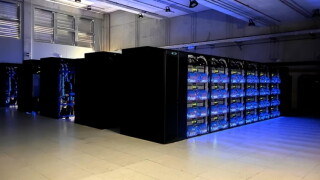
With the latest addition, the Italian major’s computational capacity passes the exaflop threshold, making the firm the world’s leading company by computing power in the new TOP500 global ranking.
-
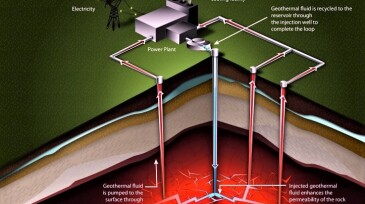
 Two US test sites have fractured hot, dry rock with plans to create a network of fractures for water heating. They will soon find out if the fractures worked as expected.
 -
The University of Texas at Austin leads new energy consortium in partnership with multiple entities from academia, national labs, and a research center for development of the Permian Energy Development Laboratory.
-
A high-resolution acoustic downhole evaluation system nabs top award for 2023.
-
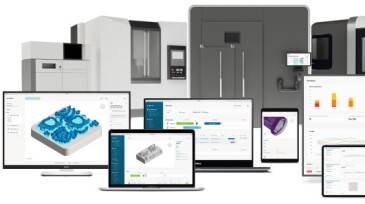
The two companies have entered a commercial agreement in which Baker Hughes will use Oqton’s software to boost its 3D printing capabilities.
-
When confronted by extremely hot wells drilled into hard rock, engineers start looking for new tools and then ask, is there a cheaper option?
-
Nabors expanded its push beyond the oil business by acquiring an Australian solar power company selling a round-the-clock power technology.
-
New funding aims to launch up to seven pilots to help expand the deployment of enhanced geothermal systems.
-
The funding is for 33 research and development projects which will tackle the technical challenges of capturing CO2.
-
Rate transient analysis has been challenged in every sense of the word when it comes to tight reservoirs. An ongoing joint industry project aims to turn that around.
-
A deeper understanding of the roles of individuals in the innovation process is more important than ever as the organizations that make up the industry are being fundamentally transformed. Who are the “explorers” within the sector that are hardwired to deliver tomorrow’s bolder technologies? And who are the “exploiters” that prefer to stick with less‑ambitious innovat…