Risk management
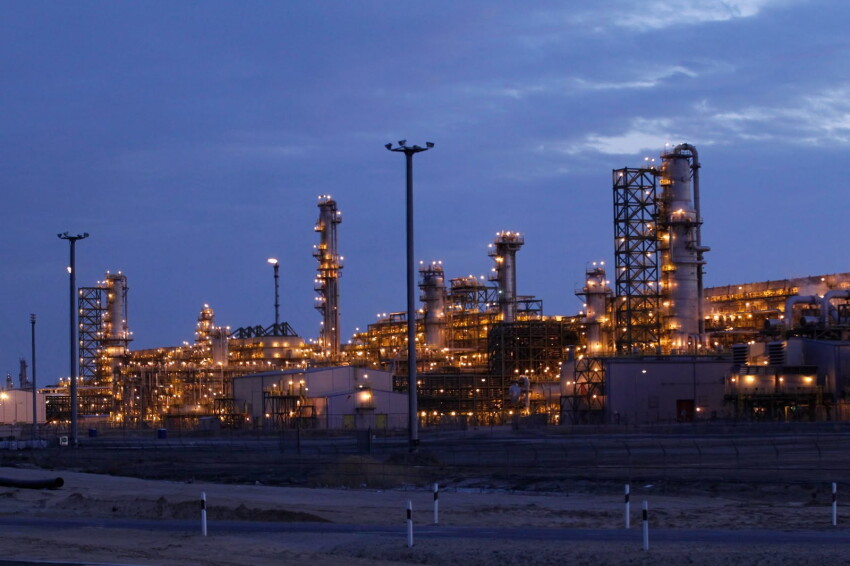
Using case studies from Western Kazakhstan, this article shows how construction-led optimization cut installation costs by 60–70%, reduced construction scope by up to 80%, and lowered turnaround inspection labor by as much as 90%. The results improved schedule certainty, reduced risk, and increased efficiency across brownfield oil and gas facilities.

This article from Murphy Oil outlines a modernization effort that resulted in increased scenario simulation capacity by five to 10 times.

Sponsored
This case study by CNOOC and Halliburton highlights how enhanced multizone sand control treats eight unequal zones in one trip and reduces completion time by 60 hours in Bohai Bay, China.
-
 This paper describes an emergency-response system deployed on artificial islands that manages complex challenges, enhances safety protocols, and improves operational efficiency in high-risk offshore environments.
-
The AI revolution isn't just digital. This article examines how geology underpins the convergence of AI, energy, carbon management, and the infrastructure powering frontier LLMs.
-
SponsoredEffective data analysis depends on seeing connections that matter. Explore how Spotfire enables a more intuitive approach to understanding petroleum data.
-
After a record year for LNG project approvals in 2025, multiyear repairs to war-damaged liquefaction facilities in Qatar and the UAE threaten to slow the growth of global LNG capacity.
-
Barzan plant explosion that killed 13 and injured 66 occurred 2 days after production was restarted following a scheduled shutdown in December for routine maintenance.
-
This article from the SPE Integrated Reservoir Management Technical Section (IRMTS) addresses decision timing across the reservoir cycle.
-
This guest editorial from the Center for Injection and Seismicity Research (CISR) at The University of Texas at Austin details the emerging risks posed by injection in Texas and what steps might be taken to mitigate them.
-
Corporate consolidation and foreign buyers helped drive $38 billion in upstream deals in the first quarter of 2026.
-
Expected to be commissioned in 2027, the new pipeline will double the UAE's current capacity of 1.8 million B/D of crude that can be transported beyond the contested waterway.
-
The UAE will prioritize national interests and production flexibility, setting up implications for OPEC’s market power, oil, prices, and global supply dynamics.