

Monthly Features
-
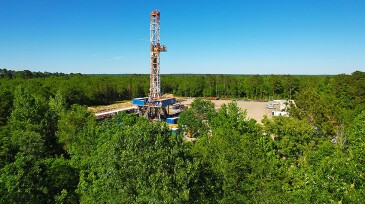
 Drilling experts recently shared candid views on what will be required for their segment of the upstream business to move to the next stage of development.
 -
 EQT is benchmarking its way to basin-leading productivity and relying on partnerships and new technology to turn KPIs into operational reality.
 -
 This case study from Italian technology developer Sentris highlights the effectiveness of using sensors during pigging operations to optimize cleaning efficiency.
 -
 Experts and industry leaders gathered in The Woodlands, Texas, recently to sift through the challenges of carbon capture, utilization, and storage. The puzzle is coming together, but some critical pieces are still needed before the results look like the picture on the box.
 -
 Two examples from ONGC show how supervised AI-driven automation scaled well modeling across hundreds of offshore wells, saving more than 1,000 engineering hours.
 -
 Examples demonstrate how an Integrated Operations Center as a Service (IOCaaS) model, powered by artificial intelligence, reduced costs by 5% and increased production by 6% in Canada.
-
 Highlights of innovations in fracturing, drilling, and reservoir engineering include mysterious gummy bears, horseshoe-shaped wells, and automated rigs.
 -
The “Western Haynesville” boasts big gas IPs with potential running room.
-
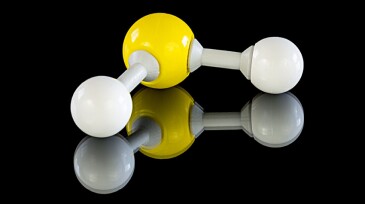
An engineered approach to fracture growth in hydraulic fracturing highlights the successful execution of H2S prevention strategies in North Dakota’s Williston Basin.
-
Few oil and gas companies give data science projects the better part of a decade to prove out, but that’s just what this one did.
-
A survey of SPE members associated with a university, or their job/role to be faculty, collected information about the effect of the energy transition on recruiting students, strategic directions in academic programs, and maintaining a relevant curriculum for future careers.
-
More Students Going Into Petroleum Engineering Programs as Research Work Tilts to Alternative EnergyMore freshmen are enrolling in petroleum engineering, drawn by strong demand for graduates.
-
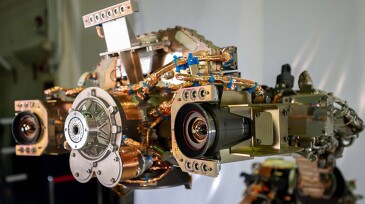
One is on Earth, and one is not. But the knowledge transfer between the oil patch and off-world has fueled meaningful technological advances for all involved.
-
Players are making big bets in the thriving yet fragile global LNG market with record global trade expected to grow another 25% in the next 5 years.
-
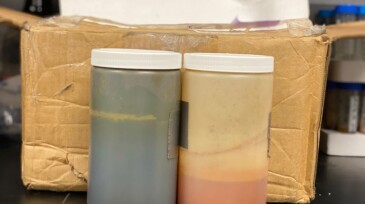
The best wells in which to find lithium are in old conventional fields where rusty pump jacks are pulling out mostly water.
-
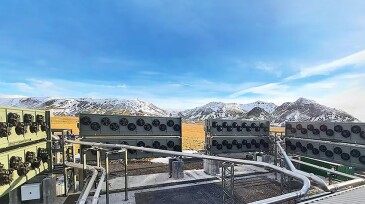
As money pours into the space, questions arise about whether the method of removing carbon from the atmosphere is the best investment.




Explore Content by Discipline
Power Up With JPT Newsletters
JPT Newsletter (Weekly).
All the top stories, trends, and tech.
JPT Unconventional Insights (Monthly).
Fresh takes on shale and tight oil.
Get JPT articles in your LinkedIn feed and stay current with oil and gas news and technology.