R&D/innovation

A shared digital mindset across subsurface, subsea, and drilling and wells is accelerating well planning at Vår Energi.

With funding opportunities improving, developers and researchers are focused on shortening project learning cycles and reducing uncertainty to attract more capital and speed deployment.

The US Department of Energy has awarded more than $99 million to 21 projects that will advance geothermal development through field-scale testing of next-generation technologies and exploration drilling programs across the US.
-
 When it comes to hydraulic fracturing, steadiness may not be a virtue. That was the conclusion of a test to see if rapid pump rate variations would lead to greater production than conventionally fractured stages when the pressure was held steady.
 -
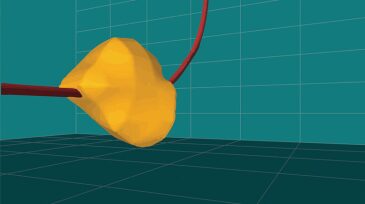
Understanding how much rock is being stimulated and propped is critical for unconventional producers. New imaging methods using electromagnetic energy or acoustic microemitters could represent a milestone in understanding what is left behind after fracturing.
-
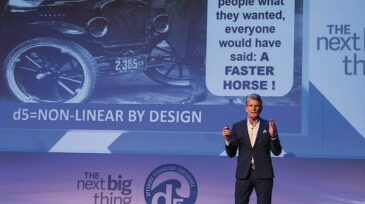
The first brief flight at Kitty Hawk in 1903 did not immediately make the Wright brothers famous; however, within 5 years, enthusiasm for the new technology began to spread around the world. Louis Blériot won a prize for flying over the English Channel in a heavier-than-air craft in 1909, and Charles Lindbergh won the USD 25,000 Orteig prize for the first nonstop flig…
-
National oil companies (NOCs) in the Middle East plan to boost their collaboration efforts in technology applications through a global industry trade organization’s initiative.
-
Sustained low oil prices have not yet had a significant effect on many universities’ research and development programs. For now, money allocated by the oil and gas industry in previous years is still available for many institutions.
-
The chief technology officer tells why he is optimistic about the current oil price situation, how the market downturn could be an ideal opportunity for innovation and slashing costs, and what major technology trends will be expected in the near future.
-
-
GE Staoil Open Innovation Challenge results in new proppant ideas.
-
-
Imagine a machine that could make an automaker competitive by speeding product development, help a jet engine maker create unique parts for more efficient turbines, and allow a baker to quickly create a picture-perfect 3D replica of a flower made of sugar.